Baby Weaning Tips
Weaning • Meal Prep • Plastic-Free
Baby Weaning Tips, Meal Prep Ideas & Why Plastic-Free Food Storage Matters
Weaning can feel like a lot at first — new foods, small portions, and a surprising amount of prep and washing up. This guide shares practical tips, a simple meal-prep approach, and why plastic-free food storage can make everyday routines easier.
Baby weaning is the gradual introduction of solid food alongside milk feeds, typically starting around six months. Whether you’re following spoon-feeding, baby-led weaning (BLW), or a mix of both, the early stages are about exploration rather than volume.
What often helps most is having a few basics ready to go — and storing them in a way that stays organised, easy to clean, and useful beyond the weaning stage.
Starting solids: simple weaning tips that help
Keep portions small
Early on, most food won’t be eaten — and that’s completely normal. Starting with small portions reduces waste and pressure, and makes it easier to offer variety.
Repeat foods confidently
Babies often need repeated exposure to accept new flavours. Repetition isn’t failure — it’s part of the process.
Build one routine you can sustain
The most effective weaning routine is the one you can maintain on busy days. Simple prep beats perfection every time.

Why portioning makes weaning easier
Small, flexible portions let you build meals gradually. If something isn’t eaten, you haven’t wasted a full serving — and you can reuse ingredients the next day.
Meal prepping during weaning (without living in the kitchen)
Meal prepping doesn’t mean cooking full meals in advance. A more realistic approach is preparing a few base foods that mix and match easily.
- Veg: steamed carrot, broccoli, sweet potato
- Fruit: banana, soft pear, stewed apple
- Carbs: porridge, rice, pasta
- Protein: lentils, shredded chicken, omelette strips
Prep once, combine all week
With a few basics ready, daily meals become quick combinations rather than full cooking sessions — ideal when time and energy are limited.

Why plastic-free food storage matters during weaning
Weaning is often when families accumulate lots of small plastic pots — many of which are quickly outgrown. Over time, plastic can stain, retain smells, and need replacing.
Choosing plastic-free materials isn’t about being perfect. It’s about choosing tools that last longer, work harder, and don’t need constant replacing.

Organisation reduces waste
A dedicated fridge shelf for baby food keeps everything visible and easy to use. When food is organised consistently, less gets forgotten — and wasted.
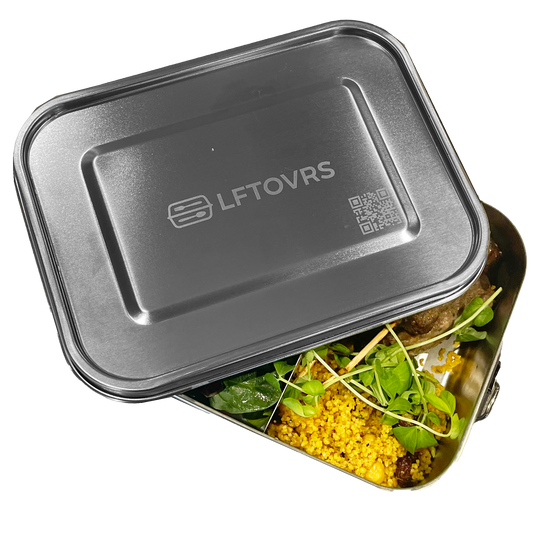
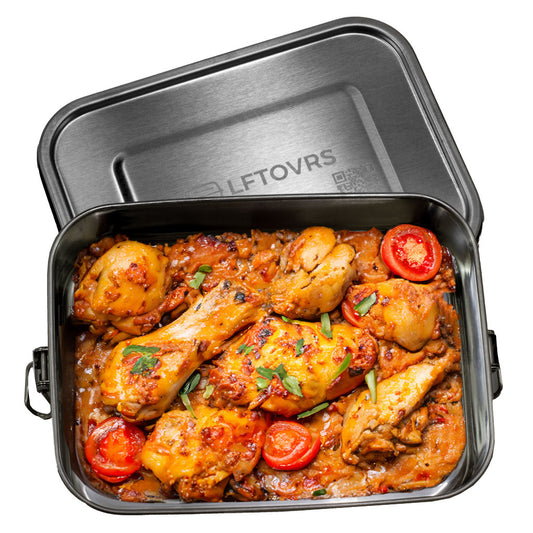
Why stainless steel works so well for baby food
- No staining from purées or sauces
- No lingering smells
- Safe for hot and cold food
- Dishwasher safe
- Durable enough to use beyond weaning
Containers used for first foods can later be reused for snacks, nursery meals, days out and packed lunches — reducing waste and simplifying routines.
• Visit our Plastic-Free Baby Weaning page
• Explore the First Foods Set designed for early meals
• Browse our baby-friendly recipes